

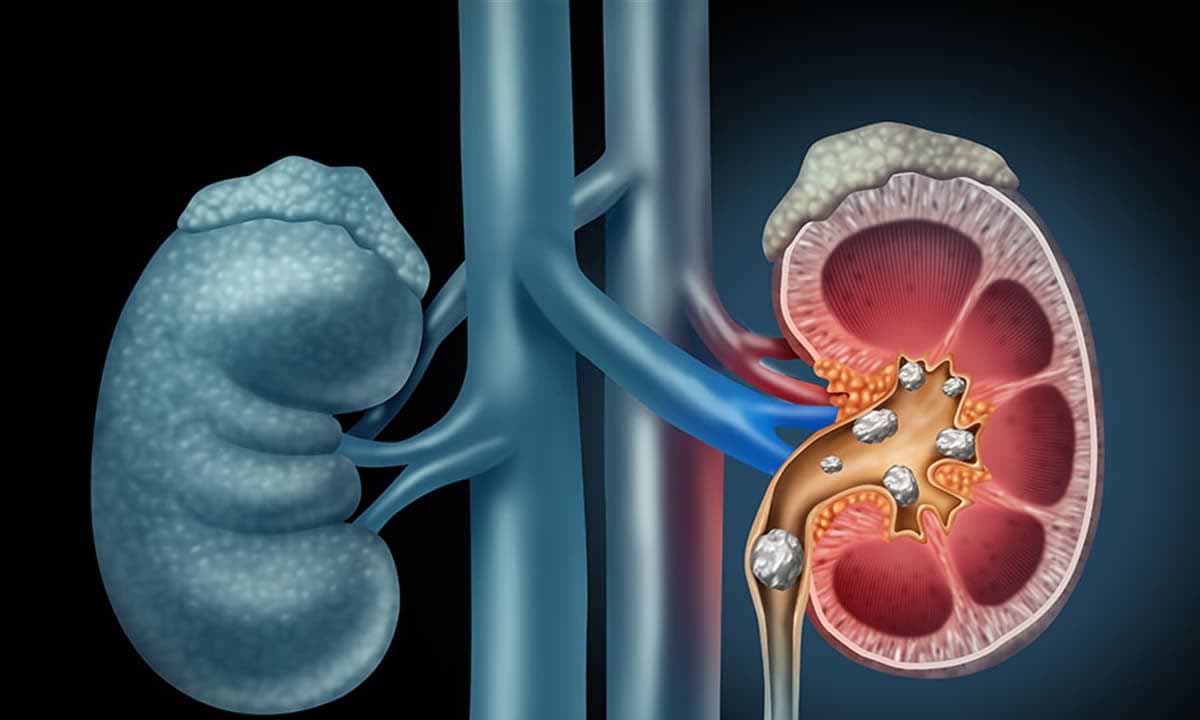
Kidney Stones
What are Kidney Stones?
Kidney Stones, also known as renal calculi or nephrolithiasis, are hard deposits made of minerals and salts that develop inside the kidneys. They come in all sizes, which can be as small as a grain of sand and as large as a pearl or even larger. Though the smaller stones can travel through the urinary tract silently, the larger stones can block the flow of urine, with severe pain, infections, and other complications.
Some types of Kidney Stones are as follows:
- Calcium stones (most common): Typically formed of calcium oxalate or calcium phosphate.
- Struvite stones: Form in response to a urinary tract infection.
- Uric acid stones: Form in people with high uric acid levels in their urine.
- Cystine stones: A rare type that occurs in people with a hereditary condition.
Understanding the specific type of kidney stone is important in order to achieve the most effective treatment.
Common Causes of Kidney Stones
Kidney Stones are hard deposits that form inside your kidneys due to excess amounts of certain things in your urine. These stones may be painful when they travel through your urinary tract. The most common Kidney Stones causes are given below :
- Not Drinking Enough Water: If you do not consume sufficient water, your urine gets too concentrated. This can lead to Kidney Stones.
- Too Much Sugar or Salt in the Diet: Foods having a high sugar or salt content might stimulate the formation of stones. Salt adds calcium to the urine and sugar, particularly the fructose in table sugar and corn syrup, raises stone risk as well.
- Excessive or Insufficient Exercise: Too much or low activity exercise could both lead to Kidney Stones.
- Obesity: Carrying additional or extra weight has also been linked with increased Kidney Stones risk.
- Weight Loss Surgery: Some kinds of surgical treatment to help you lose weight may alter how your body absorbs minerals and nutrients, leading to Kidney Stones.
- Infections: Specific urinary tract infections may lead to specific types of Kidney Stones to develop.
- Family History: If Kidney Stones run in your family, you are at a greater risk of developing this condition.
Signs and Symptoms of Kidney Stones
Kidney Stones usually do not cause symptoms until they move into the ureter, which is the passage connecting the kidney to the bladder. Once a stone enters the ureter, it can potentially block the flow of urine, leading to the following complications:
- Severe flank and back pain, below the ribs, which often extends to the lower abdomen and pelvic area.
- Fluctuating pain with varying intensities.
- Pain during urination.
- Pink, red, or brown coloured urine (haematuria).
- Frequent urination / persistent urge to urinate.
- Low volumes of urine.
- Nausea and vomiting.
- Infection, which may present as fever and chills.
Kidney Stones Symptoms
- Pain on urination
- Pink, red, or brown coloured urine
- Frequent urination / constant urge to urinate
- Low volumes of urine
- Nausea and vomiting
- Fever and chills due to infection
Nature Care Ayurveda Treatment Philosophy - A Holistic Approach to Kidney Stones
Nature Care Ayurveda Ayurveda offers holistic Kidney Stones treatment in Ayurveda using evidence-based approaches. The treatment plans are customised to target the very root causes of the disease, and instead of just treating symptoms, they focus on holistic healing, balance and stability in totality.
Core Principles of the Nature Care Ayurveda Treatment Philosophy
- HACCP certified Ayurvedic medicines: These are scientifically made blends that balance the body and promote mental health.
- Yoga, Meditation & Mindfulness: These relaxing practices support mental health and overall wellness.
- Ayurvedic Treatments: Therapies like Panchakarma and therapeutic massages to cleanse the body and promote emotional health.
- Diet & Lifestyle Changes: Expert advice on changing your eating habits and lifestyle for optimum health results.
Ayurvedic Medicines for Kidney Stones
Here are some of the best Ayurvedic medicines for kidney stones:
1. Punarnava (Tar Vine)
Punarnava literally means "that which renews the body." As per its name, you can use it to promote better urine flow and clear your kidney stones. It also decreases swelling and water retention so you can feel lighter and more comfortable.
2. Shigru (Moringa/Drumstick)
The drumstick plant Moringa oleifera contains the essential antioxidants called flavonoids and quercetin. You can use its roots, leaves, or stems to make herbal decoctions and support your kidneys. It detoxifies your body, removes free radicals and prevents stone formation.
3. Shunti (Ginger)
You may know Ginger (Zingiber officinale) as a kitchen spice but in Ayurveda, it is believed to be very useful for your kidney health. The active compound present in ginger, which we call gingerol, has anti-inflammatory properties. Drinking ginger tea or using ginger powder in your food can help dissolve stubborn stone deposits and cleanse your kidneys.
4. Sukshma Ela (Cardamom)
Cardamom or Sukshma Ela means flavour enhancer in Ayurveda. With this, it also has antioxidant and antimicrobial activities. You can eat it directly to prevent urinary tract infections that can cause kidney stones. It is also a diuretic, i.e., it helps dissolve calcium salts and uric acid that lead to stones.
5. Kulattha (Horse gram)
Kulattha is a small legume but is very helpful for your kidneys. You can prepare soups or rasam using horse gram. It helps to improve your digestion and metabolism, flush out kidney stones, and supports better kidney function. It is high in proteins, fibre and vitamin B.
6. Tulsi (Basil Leaves)
Tulsi is a sacred herb in Ayurveda that is used for a number of ailments. You can take tulsi leaves as a tea with some honey. It helps to balance minerals, fluids, and uric acid in your kidneys. Tulsi also provides antioxidant and anti-inflammatory support for your kidneys to pass stones easily.
7. Lemon Juice with Honey
Squeeze a fresh lemon into some warm water and add some honey. This simple remedy breaks down stones inside your kidneys. The honey lubricates the stones so they can pass through your urinary tract without causing you any pain.
8. Pashanbhed
Pashanbhed is an Ayurvedic herb which is known to eliminate kidney stones. If you have large or hard stones, Pashanbhed dissolves them into smaller pieces that your body can naturally flush out.
9. Ushira
Ushira is another Ayurvedic herb that helps you control the pain or burning due to kidney stones. It cools down inflammation and soreness which you generally feel during passing the stones.
10. Coconut Water
Drinking fresh coconut water can be very good for your kidneys. You can have it regularly to boost urine flow and wash out your kidney stones naturally. Coconut water also balances electrolytes in your body, decreases burning while passing urine and keeps you hydrated. If you are suffering with kidney stones, adding coconut water to your daily routine can improve your kidney health naturally.
Ayurvedic Treatment for Kidney Stones
The treatment of Kidney Stones depends on the size and location of the stone. Small stones might pass with increased fluid intake and the use of herbal medications. Large stones, however, may require more serious interventions.
In Ayurveda, the treatment of Kidney Stones is done holistically. Ayurveda focuses on dissolving pre-existing stones, while also focusing on preventing further stones from forming, and strengthening the kidneys. It's more of an effort at curing the cause and addressing imbalances in doshas, diet, and dehydration.
Nature Care Ayurveda's evidence-based Ayurveda treatments support total-wellness by addressing the root cause of Kidney Stones, all while working to rebalance the governing energy forces in the human body – Vata, Pitta, and Kapha, and also the mind, body, and spirit.
Additionally, in Ayurveda, the formation of Kidney Stones are said to be associated with a Vata imbalance, the dosha that governs movement and elimination, and Pitta, the dosha that oversees metabolism and digestion.
Factors like improper diet, dehydration, and weak digestion (Agni) can cause such imbalances. To provide holistic relief, Nature Care Ayurveda's advanced root-cause based ayurvedic treatments employ HACCP-certified Ayurvedic medicines in the treatment of Kidney Stones along with a plethora of shastriya Ayurvedic therapies, yoga, and meditation. These are supported with counseling for lifestyle and diet management for maximum effectiveness.
The following are some commonly used Ayurvedic medicines and treatments that work well for Kidney Stones:
- Herbal formulations: These include specific herbal combinations, such as Pashanbhed (Bergenia ligulata), Gokshura (Tribulus Terrestris), and Punarnava (Boerhavia diffusa). These are given to induce diuresis or increased urine production. This can help dissolve the stones and reduce inflammation of the urinary tract.
- Diuretics: Gokshura and Punarnava are diuretic herbs, which help the body flush out toxins and prevent stone formation.
- Lithotriptic herbs: Including Pashanbhed, which is believed to have the ability to break down and dissolve Kidney Stones.
Besides, a certified Ayurveda practitioner can also recommend ayurvedic therapies alongside specific dietary and lifestyle changes.
Diet & Exercise Recommendations
In Ayurveda, diet and lifestyle play essential roles in preventing and managing Kidney Stones. In order to effectively manage health during and post Kidney Stones treatment, the following should be included in your routine.
- Increase fluid intake: Drinking plenty of water will dilute the urine and prevent stone formation. Increase water intake to at least 2-3 liters per day.
- Limit oxalate-rich foods: Foods which are high in oxalates, such as spinach, rhubarb, beetroot, and chocolate, can contribute to the formation of calcium oxalate stones.
- Reduce salt intake: High salt intake increases excretion of calcium in the urine; this increases the risk for stone formation.
- Moderate protein intake: Excessive protein consumption can increase uric acid levels, promoting uric acid stone formation.
- Include diuretic foods: Such as cucumbers, watermelon and celery stimulate urine production that help remove toxins from the body.
- Light exercise: This can improve the process of metabolism and prevent stone formation when performed regularly.
FAQs on Kidney Stones
What are the risk factors for Kidney Stones?
Risk factors include dehydration, a family history of the disease, medical conditions such as gout and hyperparathyroidism, and some medications.
How are Kidney Stones diagnosed?
Diagnosis includes the evaluation of a medical history, a physical examination, urine tests, blood tests, etc.
Can Kidney Stones be prevented?
Indeed, living a lifestyle with high liquid intake, dietary changes and keeping a healthy weight can prevent Kidney Stones.
Do Kidney Stones hurt?
Small stones will cause no pain, but the large stones may cause acute pain (renal colic).
How long does it take for a kidney stone to pass?
The period for which a stone stays in the body depends on its size and location. Small stones may pass out within weeks, but larger stones may require a longer time or even medical attention.
Can Ayurveda completely cure Kidney Stones?
Ayurveda can be very effective in dissolving smaller stones and preventing recurrence. For larger stones, it can be used as supportive therapy along with conventional treatment.
What is the role of diet in kidney stone formation?
Diet plays a very significant role in the development as well as recovery of Kidney Stones. Specific foods and dietary practices may elevate the risk associated with stone formation.
Are there any side effects of the Ayurvedic treatment?
Ayurvedic treatment is generally considered safe if given by an experienced practitioner. However, you should always inform your Ayurvedic practitioner of any existing medical conditions or drugs you are currently taking.
How does Ayurveda view the causes of Kidney Stones?
In Ayurveda, the causative factors of Kidney Stones were mainly linked to a Kapha-Vata imbalance. An increased dose of Kapha aggravates and combines with the Vata to cause blocks in the urinary channels where urine gets crystallised resulting in the formation of the stones. Other causes that further develop this imbalance are improper diet habits, suppression of natural urge to urinate, and dehydration.
Which Ayurvedic herbs are recommended for the treatment of Kidney Stones?
Some of the common herbs in use are Pashanbhed (Bergenia ligulata), Gokshura (Tribulus terrestris), Punarnava (Boerhavia diffusa), Varuna (Crataeva nurvala), and Kulattha (Macrotyloma uniflorum).