
Jaundice
What is Jaundice?
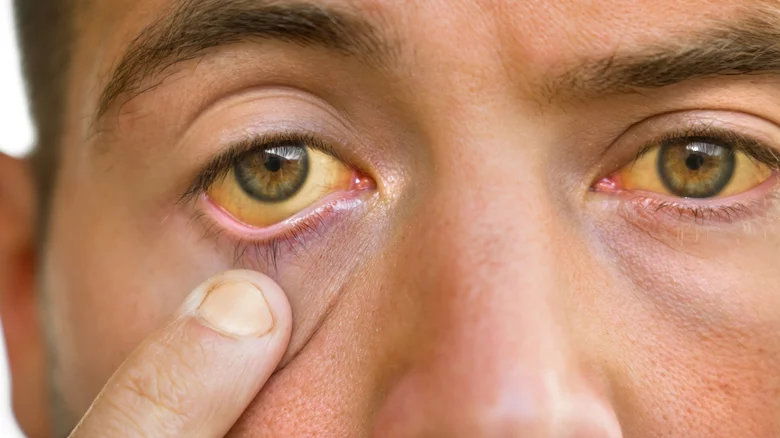
Jaundice is a medical condition characterised by yellowing of skin and the sclera (white portion of the eye). This yellowing is the result of an excessive amount of bilirubin, a yellow-orange compound created when red blood cells break down. Your liver normally processes this bilirubin and passes it out through your stool. But when your liver is unable to effectively process the bilirubin, it accumulates within your body and causes Jaundice.
These are the different types of Jaundice:
Prehepatic Jaundice: This type happens when an excessive amount of bilirubin is created for the liver to process, typically because red blood cells rapidly break down.
Hepatic Jaundice: This type occurs when the liver is damaged and it can not remove bilirubin properly.
Posthepatic Jaundice/Obstructive Jaundice: This kind occurs when something blocks the bile ducts that take bilirubin and bile out of the liver.
In Ayurveda, Jaundice is called Kamala. It is considered a result of the imbalances in raktha dhatu (blood) and pitta dosha, two essential elements of Ayurvedic medicine. Kamala is also believed to occur when Pandu roga (anaemia) is not properly treated. Based on Ayurvedic classics, untreated anaemia may evolve into Kamala and hinder the liver's ability to process and clear bilirubin out of the body.
Understanding these aspects of Jaundice may assist in determining the causes of the condition and choosing the correct treatment strategy, including Ayurvedic remedies that work to restore balance to the body's natural systems.
Common Causes of Jaundice
Jaundice is characterised by a problem in the body's ability to process bilirubin, a yellow pigment created by the breakdown of red blood cells. Many factors could hinder this process, resulting in bilirubin buildup in the blood and tissues, leading to the yellowing of the skin and eyes.
Do you have any of the following symptoms?
- Yellowing of the skin and eyes
- Dark-coloured urine
- Pale, clay-coloured stools
- Itching over the body
- Persistent fatigue or weakness
- Abdominal pain, especially on the right side
- Unexplained weight loss
- Fever or flu-like symptoms
Nature Care Ayurveda Treatment Philosophy - A Holistic Approach to Jaundice
Nature Care Ayurveda Ayurveda offers holistic Ayurvedic Jaundice treatment using evidence-based Ayurveda. The treatment plans are customised to target the very root causes of the disease, and instead of just treating symptoms, they focus on holistic healing, balance and stability in totality.
Core Principles of the Nature Care Ayurveda Treatment Philosophy
HACCP certified Ayurvedic medicines: These are scientifically created blends that rebalance the body and promote emotional health.
Yoga, Meditation & Mindfulness: These calming practices support mental wellness and overall health.
Ayurvedic Treatments: Therapies like Panchakarma and therapeutic massages detox the body and promote emotional stability.
Diet & Lifestyle Modifications: Customised diet and lifestyle recommendations to suit your overall health goals.
Ayurvedic Medicines for Jaundice
Ayurveda offers natural remedies to support liver health and manage Jaundice. These traditional herbs help to lower bilirubin, improve liver function and treat Jaundice holistically. The most effective herbs for Jaundice Ayurvedic treatment are given below :
Kutki: This Ayurvedic herb is renowned for its hepatoprotective and antioxidant qualities that protect the liver against free radical damage. Additionally, it helps to reduce bilirubin levels, making it a very important herb in treating Jaundice.
Bhumyamalaki (Phyllanthus Niruri): Hepatoprotective in nature, Bhumyamalaki is believed to improve liver function and repair damaged hepatic cells. It's particularly helpful in liver conditions such as cirrhosis and liver cancer due to its anti-inflammatory properties.
Daruharidra (Jaundice Berry): It contains berberine, an active compound that is known to improve liver function by promoting bile secretion. It is useful in managing fatty liver & cirrhosis of the liver.
Aloe Vera: A popular detoxifying plant, Aloe Vera helps to purify the kidneys and liver, removing unnecessary bilirubin and also improving digestive health.
Kalmegh: Kalmegh has antioxidant, hepatoprotective and anti-inflammatory qualities which improve digestion and support liver health. It is also known to be effective against chronic hepatitis B.
Papaya Leaves: Papaya leaves aid in liver detoxification and digestive health, promoting normal liver function and lowering bilirubin levels.
Radish and Basil: Radish juice and basil paste can detox the blood, when taken on an empty stomach.
Indian Gooseberry: Amla or Indian Gooseberry can be boiled and mixed with honey and taken several times a day to support liver function.
Lemon: Lemon is used in boiled leaf preparations and mixed with gooseberry juice as it aids in liver restoration.
Bitter Gourd: Bitter Gourd juice, when taken on an empty stomach, is known to detox the liver.
Changeri (Indian Sorrel): Helps improve digestion and appetite.
Chichinda (Snake Gourd): This herb is a diuretic which is believed to detoxify the body and improve digestion.
Karela (Bitter Gourd): Improves liver filtration functions and boosts immunity, aiding with faster recovery from Jaundice.
Frequently Asked Questions About Jaundice
What causes Jaundice in newborns?
Jaundice in newborns is usually caused by the liver’s immaturity, which delays bilirubin processing. It generally appears within the very first couple of days after birth.
Is Jaundice contagious?
Jaundice itself isn't contagious but its underlying causes, for example viral hepatitis, may be transmitted from person to person.
What is included in a Jaundice diet chart as per Ayurveda?
A Jaundice diet chart usually includes fruits and vegetables, whole grains, lean proteins and a lot of fluids. It also recommends avoiding alcohol, fried foods and processed snacks.
What to eat in Jaundice?
Consume fruits including citrus and papaya, vegetables such as leafy greens and herbal teas like dandelion. These can support liver health and help lower bilirubin.
How can Ayurveda help prevent Jaundice?
Ayurveda suggests a balanced diet, avoiding excessive heat or sun and using natural herbs such as kutki and bhumyamalaki to strengthen liver function.
What is the difference between Jaundice and hepatitis?
Jaundice is a sign of excessive bilirubin that generally means liver problems; hepatitis is inflammation of the liver itself which can cause Jaundice.
How is Jaundice diagnosed as per Ayurveda?
Ayurvedic diagnosis of Jaundice is based on the colour of skin and eyes, digestive problems, pulse and tongue examination to determine the balance of body energies.
Can Jaundice be managed with lifestyle changes?
Yes, avoiding alcohol, eating right and exercising regularly can help manage Jaundice by promoting liver health and bilirubin metabolism.
What are some effective Ayurvedic remedies for Jaundice?
Natural herbs like aloe vera, kalmegh and papaya leaves are suggested for their liver-protective qualities and capacity to assist in excreting bilirubin.
How long does recovery from Jaundice typically take using Ayurveda?
Recovery time depends on the underlying cause but symptoms generally improve within 2 to 4 weeks with proper and consistent Ayurvedic treatment.
How can I tell if my newborn's Jaundice is serious?
If the yellow colouring continues to deepen, spread, or is accompanied by listlessness, poor feeding or altered crying patterns, seek immediate medical advice for neonatal Jaundice treatment.